
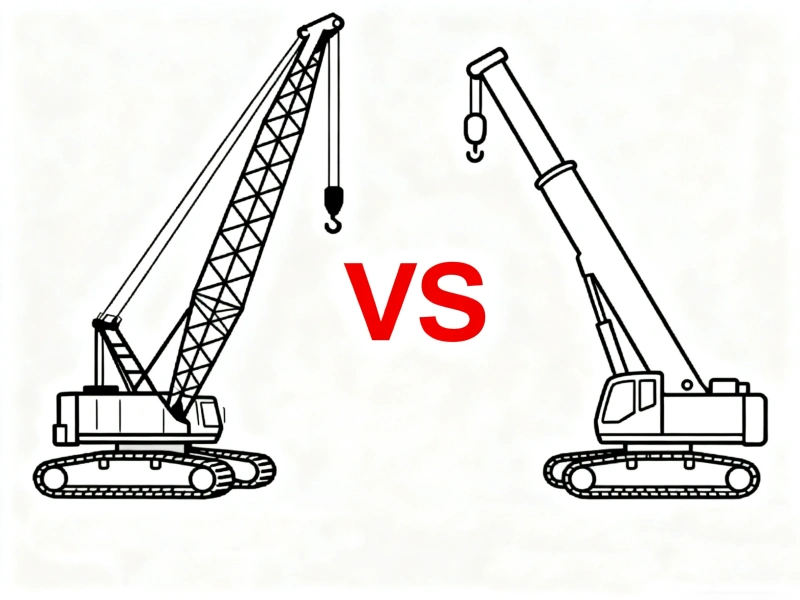
Lattice Boom Crane vs Telescopic Boom Crane
When it comes to heavy-lifting operations in construction, infrastructure, and other industries, choosing the right crane is crucial. Two of the most prominent types are the lattice boom crane and the telescopic boom crane. This article will delve into a detailed comparison between them, along with exploring different mounting types of lattice boom cranes.
Understanding Lattice Boom Cranes and Telescopic Boom Cranes
Lattice Boom Cranes
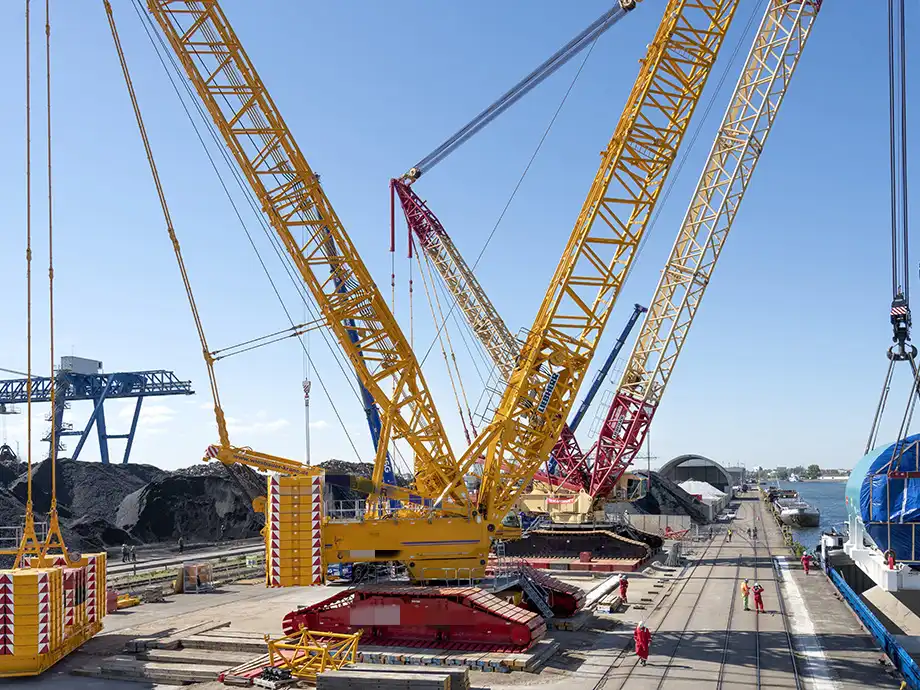
Lattice boom cranes feature a boom made of a triangular-shaped lattice structure. This design provides high strength – to – weight ratio, allowing the crane to lift extremely heavy loads over long distances. The lattice boom is typically made of steel, and its open-framework construction reduces wind resistance, making it suitable for outdoor and windy environments.
Telescopic Boom Cranes
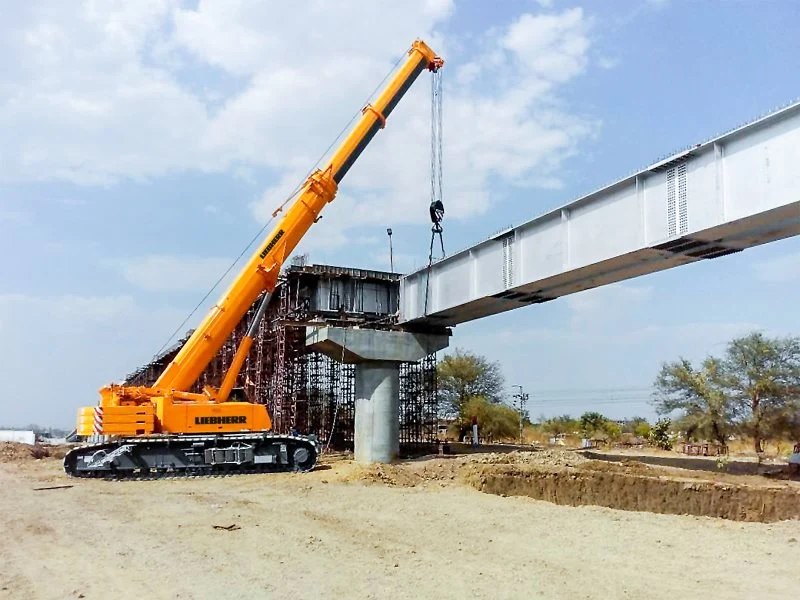
Telescopic boom cranes, on the other hand, feature a boom composed of multiple sections that can be extended or retracted telescopically. This gives them greater flexibility in terms of reach adjustment. They are often more compact and easier to maneuver in tight spaces compared to lattice boom cranes.
Key Differences Between Lattice Boom vs Telescopic Boom
Lifting Capacity and Reach
Lattice boom cranes generally have a higher lifting capacity, especially for long-distance lifts. Their sturdy lattice structure can support massive weights, making them ideal for large-scale construction projects such as bridge building and power plant construction. They can also achieve longer reaches due to the efficient distribution of weight along the boom.
Telescopic boom cranes, while they can reach considerable heights and distances, usually have a lower lifting capacity compared to lattice boom cranes. However, their ability to quickly adjust the boom length makes them more versatile for jobs that require frequent reach changes, like urban construction and utility work.
Mobility and Setup
Telescopic boom cranes are often more mobile. Mobile telescopic boom cranes can be mounted on trucks or crawlers, allowing them to be easily transported to different job sites. They also have a relatively quick setup time, which is beneficial for projects with tight schedules.
Lattice boom cranes are generally less mobile due to their large size and heavy weight. Crawler-mounted lattice boom cranes can move on rough terrains, but setting them up requires more time and effort. They often need to be assembled on-site, which can be a complex and time-consuming process.
Cost
The cost of a lattice boom crane is usually higher than that of a telescopic boom crane. The complex lattice structure and higher-strength materials used in lattice boom cranes contribute to their higher price. Additionally, the installation and transportation costs for lattice boom cranes are also more expensive.
Telescopic boom cranes are more cost – effective, especially for smaller – scale projects or those with limited budgets. Their simpler design and easier mobility reduce both the initial purchase cost and the operational costs.
Choosing the Right Crane for Your Project
The choice between Lattice Boom vs Telescopic Boom depends on several factors, including the nature of the project, the required lifting capacity, the working environment, and the budget. For large-scale, heavy-lifting projects with long reaches, a lattice boom crane may be the better choice.
However, for projects that require more flexibility, mobility, and are cost-sensitive, a telescopic boom crane could be the ideal option. In conclusion, understanding the differences between lattice boom cranes and telescopic boom cranes, as well as the various mounting types of lattice boom cranes, is essential for making an informed decision when selecting a crane for your next heavy-lifting project.